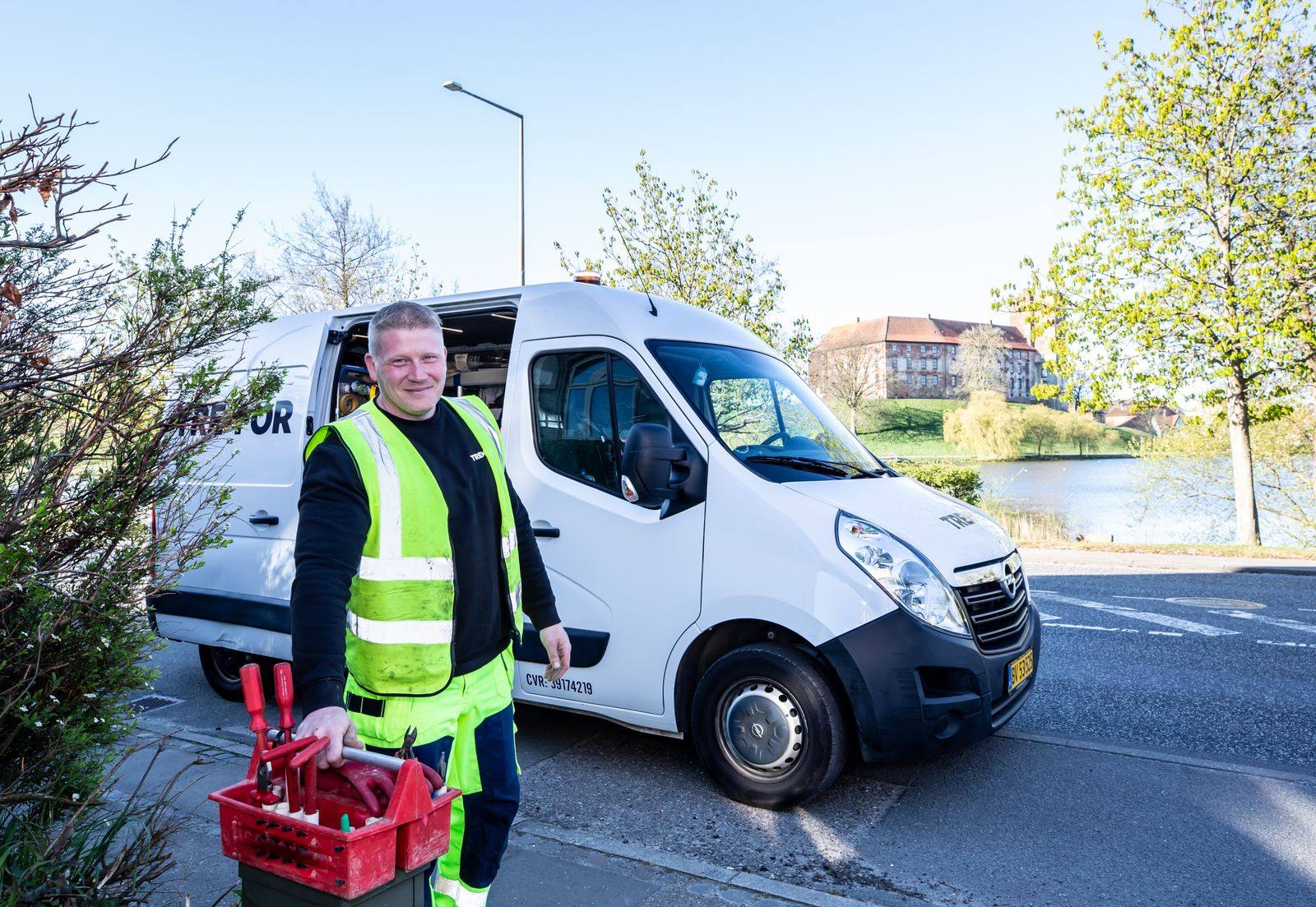
What separates a water heater emergency from an ordinary repair? Usually it is one of four things: active flooding, a discharging relief valve, water hot enough to burn, or a gas odor. Flooding is the one that catches people off guard. A failed tank is still connected to the cold supply, so it keeps taking on water and losing it long after its own contents are gone, and the damage reaches finished floors and lower rooms fast. A temperature and pressure relief valve that keeps releasing water or steam is the heater telling you a safety limit has been exceeded. Scalding water points to a runaway thermostat or gas valve. A gas smell is its own category and comes with its own first steps, covered below. Across Conroe, TX, we handle every one of these as a priority call.
Safety comes before the phone call to us. If you smell gas, leave the house right away, do not flip light switches or unplug anything on the way out, and call your gas utility or 911 from outside. Once gas is ruled out, close the cold-water shutoff on the line feeding the heater; if it is stuck or out of reach, shut the main water valve for the house. On a gas unit, turn the control knob to OFF. On an electric unit, switch off its breaker, and never touch the panel while standing in water. If the relief valve is discharging, do not cap it or plug the discharge pipe, because that valve is the only thing keeping an overheated tank from failing violently. Then call (936) 226-0905 and we will take it from there.
A calm voice on the phone helps more than people expect. When you call (936) 226-0905, we help you confirm the water and energy are off, suggest what to move out of the water's path, and dispatch a technician as fast as the day allows, with a straight answer about timing. On arrival, the priorities are safety, diagnosis, and a clear explanation. Worn relief valves, weeping drain valves, rotted dielectric fittings, dead thermocouples, and failed elements are the usual culprits, and we stock them so the fix rarely waits on an order. A tank that has corroded through is the exception, since nothing short of a new heater solves it, and we lay out those options honestly. Save our number now so you have it before you need it in Conroe.
Most of our service calls are for Water Heater Repair in Conroe. Either is a good place to start.
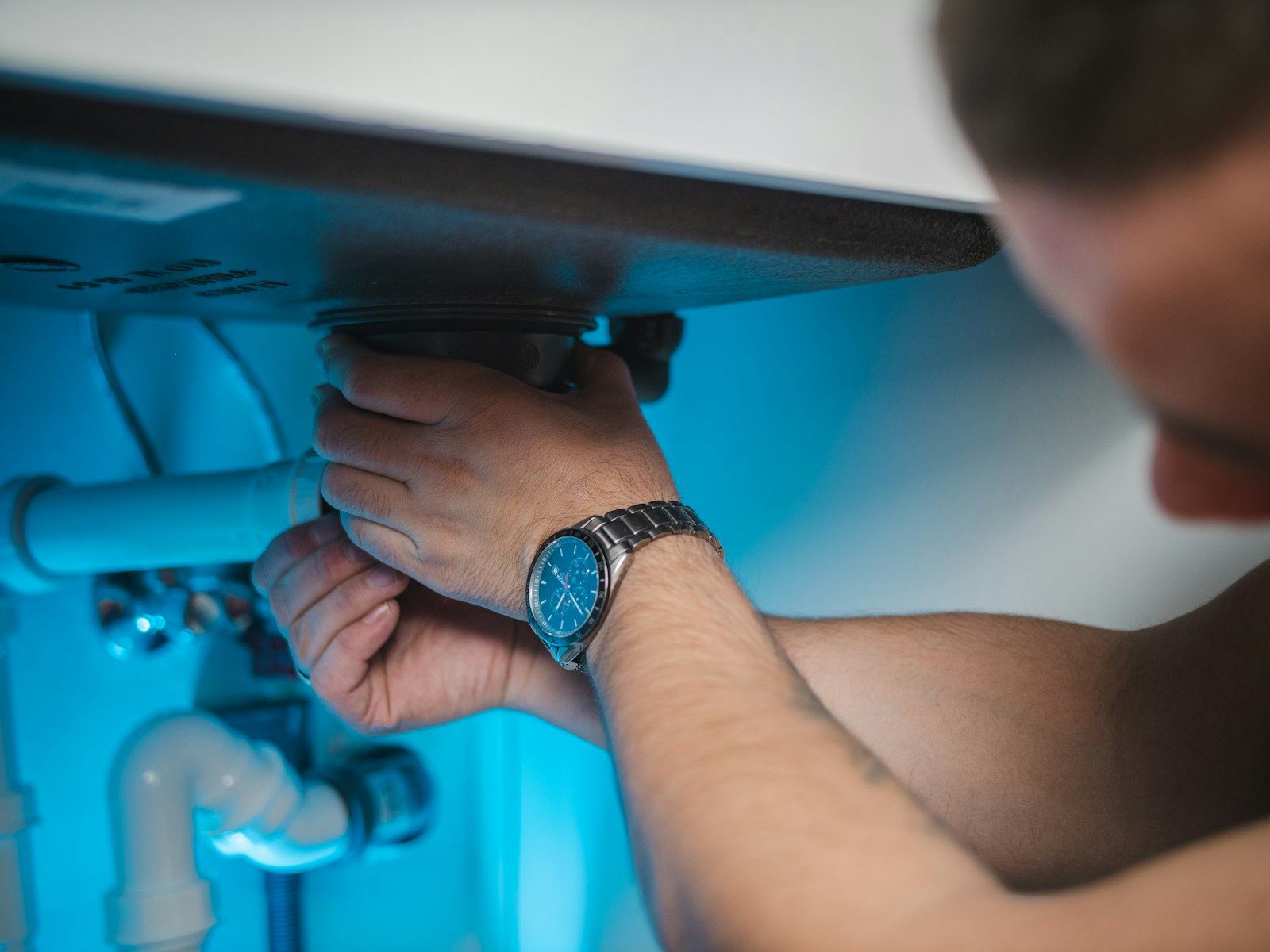
Symptoms That Mean It's Time to Call
A heater that is starting to struggle rarely hides it for long, and the clues are easy to spot once you know them. These are the red flags our technicians see most often before a breakdown:
- A rotten-egg smell near a gas water heater (leave first, and call the gas utility)
- An electric water heater that keeps tripping its circuit breaker
- A T&P valve that releases water repeatedly instead of staying closed
- Tap water hot enough to burn, even at the usual setting
- Signs of scorching or backdrafting around the base or top of a gas heater
- A complete loss of hot water throughout the house
- Violent rumbling or banging from the heater as it runs
- Water pooling around the base of the heater or spreading across the floor
Small Symptoms, Big Consequences
A little rust-colored water or a relief valve that drips now and then can be the first hint of a tank that is close to the end. At the first hint of a problem, reach out to Conroe Water Heater at (936) 226-0905 and we'll take a look.
Your Emergency Water Heater Repair Questions Answered
Why Professional Emergency Water Heater Repair Matters
It is tempting to treat a leaking or dead water heater as a quick fix. In reality, you may be dealing with standing water beside 240-volt wiring, a gas supply and open burner a few inches from a puddle, and a tank of very hot water under pressure. The relief valve, if it is firing, is the final line of defense between an overheated tank and a violent failure, and plugging it is one of the most dangerous things anyone can do to a heater. Relighting a pilot while gas lingers, or forcing a rusted connection, can make things much worse. Leave, shut off, and call is the right sequence for anyone without the tools and training.
A trained technician brings the right order of operations and a truck full of the likely parts. Our team confirms the heater is isolated, tests for gas leaks with a detector and soap solution rather than guessing, checks household water pressure and thermal expansion when a relief valve has been discharging, and inspects the vent for proper draft before a gas unit is restarted. Just as important, we tell you honestly when a heater can be repaired and when it cannot. A leaking seam or rusted-through bottom cannot be fixed, while a failed valve, fitting, or element usually can, and the difference is often a modest repair bill versus the cost of a whole new unit. You get that answer before any work begins.
How We Handle Emergency Water Heater Repair
We work through a clear, repeatable process so you always know what's happening and what it will cost. Here's a look at each step our team takes:
Make It Safe by Phone
On the call, we check for any gas odor first, then guide you to the cold-water valve and the heater's gas control or breaker so the damage stops growing while help is on the way.
Secure the Area
We send a technician with a stocked truck and give you a realistic time frame. The first job on arrival is confirming the heater is isolated and the area is safe to work in.
Repair or Honest Replacement
The source gets pinpointed before any part is replaced. Relief valves, drain valves, connectors, thermocouples, and elements travel with us, so most fixes happen the same visit.
Test and Confirm
We refill the tank, purge air from the lines, restart the heater, check every joint for leaks, confirm the relief valve seats, and set the temperature to a safe 120F.
Not Sure What You Need?
Our technicians can assess your water heater and recommend the option that actually makes sense.
Get Help: (936) 226-0905How to Prevent Water Heater Problems
Routine maintenance is almost always cheaper and easier than an early replacement. Start with these practical measures our team relies on:
- Consider an automatic leak shutoff that stops the cold supply the moment water hits the floor
- Set the temperature around 120F, which protects against burns and slows tank wear
- Lift the relief valve lever once a year to confirm it opens and reseats, and call if it keeps dripping
- Put the heater in a drain pan piped to a floor drain or the exterior where the setup allows
- Flush sediment from the tank yearly, since buildup overheats the bottom and speeds corrosion
- Find and label the cold-water shutoff at the heater and the main house valve now, before you ever need them
- Store chemicals and flammables far from the burner, and keep the area around the heater uncluttered
Should You DIY or Call a Pro?
Online videos may help in a pinch, yet lasting repairs and code-compliant installs depend on correct venting, proper relief valve discharge piping, and a trained technician. Here's a comparison:
| Factor | DIY Attempt | Hiring a Pro |
|---|---|---|
| Gas Odor | Tempted to relight or poke around | Gas utility first, then tested with proper tools |
| Water Control | Unsure which valve to close | Supply isolated fast, stuck valves handled safely |
| Relief Valve | Discharge silenced without finding the cause | Root cause measured and corrected |
| Power & Water | Handling 240V near standing water | Circuit verified dead before any work |
| Finding the Cause | Guessing between valve, fitting, and tank | Exact source traced before parts are swapped |
| Result | Problem likely to return | Lasting repair or honest replacement advice |
Get Emergency Water Heater Repair Help Today
Don't let a failing water heater get worse. Call Conroe Water Heater now for prompt, professional service.
Tap to Call (936) 226-0905Communities We Cover
Wherever you are in the area, the same experienced team shows up with the same parts and the same pricing. Find your community below.